

Quick Summary
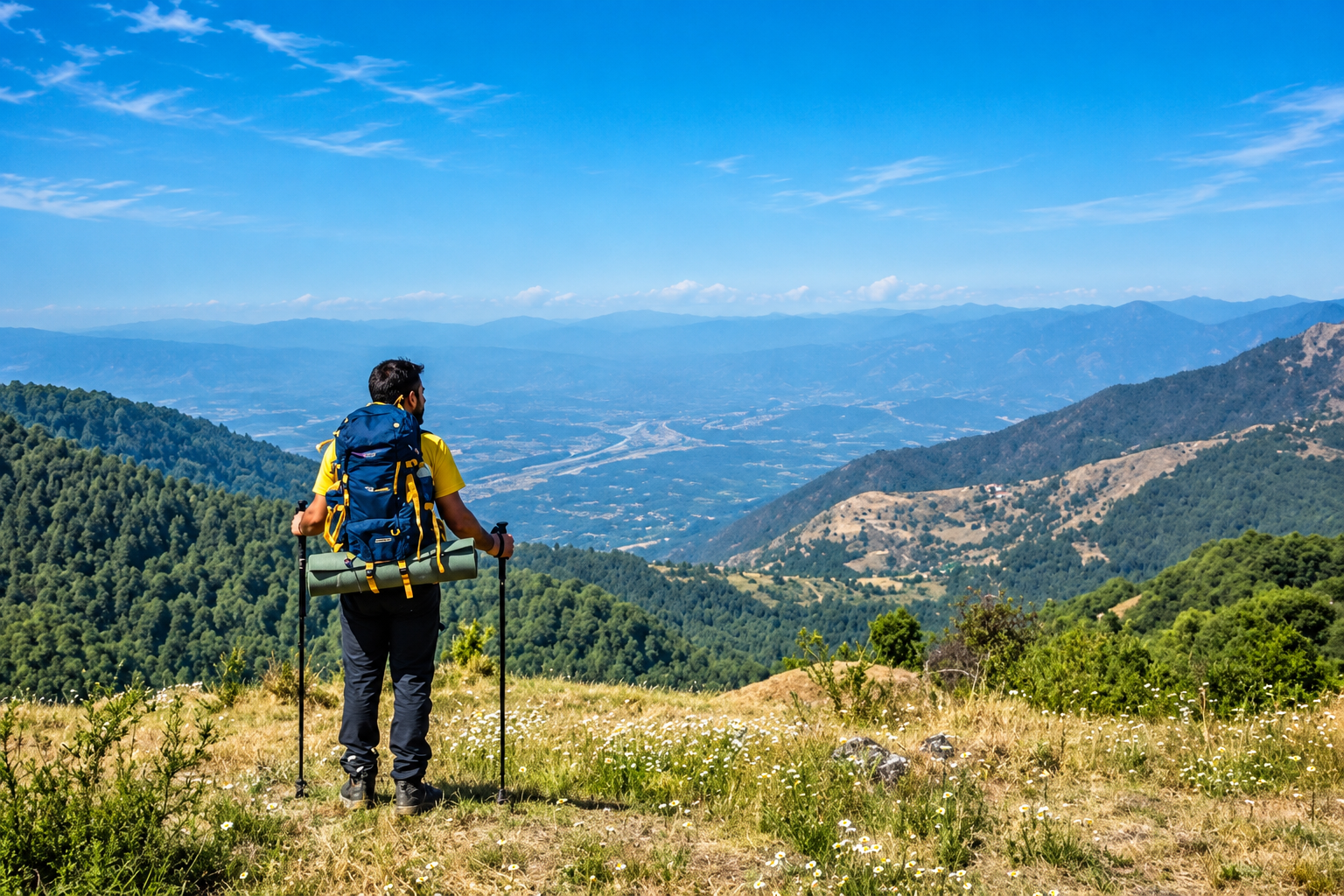
The Benog Tibba Trek is one of the quieter ways to experience the natural beauty around Mussoorie. Away from the busy streets and popular tourist attractions, the trail takes you through peaceful forest surroundings, mountain landscapes, and scenic stretches that make the walk feel refreshing.
It is a good choice for travellers who want to add a little adventure to their Mussoorie holiday without planning a long Himalayan expedition. The trek also gives you an opportunity to experience the forests around Benog and enjoy a slower side of the hills.
In this blog, you will learn where the Benog Tibba Trek is located, how to reach the trail, what the trek is like, the best time to visit, what you can see along the way, and why it can be worth adding to your Mussoorie itinerary.
In This Blog, You’ll Learn:
- Where Benog Tibba Trek is located
- How to reach the Benog Tibba trail
- What makes the trek different from other Mussoorie trails
- Benog Tibba Trek difficulty and distance
- The best time to visit
- What you can see during the trek
- Things to carry for the hike
- Simple tips for a better trekking experience
- Why Benog Tibba is worth adding to your Mussoorie trip
- How to plan your stay after the trek
Introduction
Mussoorie is often associated with Mall Road, scenic viewpoints, cafés, colonial buildings, and beautiful mountain drives. These experiences are an important part of visiting the hill station, but there is another side of Mussoorie that is quieter and more closely connected with nature.
The Benog Tibba Trek is one of those experiences.
Instead of spending the entire day moving between tourist attractions, this trail gives you a chance to slow down and walk through the forest. The changing views, cool mountain air, sounds of birds, and peaceful surroundings make the journey feel quite different from conventional sightseeing.
For travellers who enjoy nature and walking, Benog Tibba can be a refreshing addition to a Mussoorie trip.
It is also the kind of experience that works well with a relaxed travel plan. You can spend part of your trip exploring the popular areas of Mussoorie and keep another morning or day for getting outdoors.
After a few hours on the trail, having a comfortable place to return to matters too. A well-located homestay in Mussoorie can give you a convenient base for both sightseeing and outdoor experiences.
So, what makes Benog Tibba worth walking?
Let’s take a closer look.
Where Is Benog Tibba Trek and How Do You Reach the Trail?
Benog Tibba is located on the western side of Mussoorie, around the Benog Wildlife Sanctuary and Cloud’s End area. The surrounding landscape is known for its forested slopes, peaceful mountain environment, and opportunities to experience nature away from the busier parts of the hill station.
The route is generally approached from the Cloud’s End side of Mussoorie. From the town, you first need to travel towards this area before beginning the walking section of the trail.
The exact route and starting point can vary depending on the trail being followed, so checking the current local route conditions before starting is a sensible idea.
How to Reach Benog Tibba
If you are staying in Mussoorie, you can first make your way towards Cloud’s End by local taxi or private vehicle.
Once you reach the appropriate trailhead, the rest of the journey is on foot.
A simple plan would be:
- Start early from Mussoorie.
- Travel towards the Cloud’s End/Benog area.
- Begin the trek from the established trail.
- Walk through the forest at a comfortable pace.
- Take breaks whenever necessary.
- Spend some time enjoying the views rather than rushing towards the endpoint.
- Start your return journey with enough daylight remaining.
It is better to allow extra time than to plan the trek too tightly.
Mountain trails can take longer than expected because of weather, walking pace, photography stops, or simply wanting to enjoy the surroundings.
Why Starting Early Helps
An early start can make the experience more comfortable.
The morning atmosphere around the hills tends to feel calm, and starting early gives you more time for the trek and return journey.
It also leaves your afternoon or evening free to explore other parts of Mussoorie or simply relax at your accommodation.
What Makes the Benog Tibba Trek Different from Other Mussoorie Trails?
The biggest attraction of Benog Tibba is its peaceful atmosphere.
Mussoorie’s central areas can become busy, particularly during weekends and peak holiday periods. Benog offers a completely different rhythm.
Here, the focus is less on shops, traffic, and crowds and more on forests, mountain slopes, open views, and walking.
The experience begins the moment you leave the more developed areas behind.
A Quieter Side of Mussoorie
The trail allows you to experience the landscape at walking speed.
You may notice things that are easy to miss when travelling by car:
- Birds calling from the trees
- Changing mountain views
- Forest paths
- Fresh mountain air
- Sunlight filtering through the trees
- Small changes in the landscape as you gain elevation
These details are what make a forest trek memorable.
A Good Choice for Nature Lovers
The Benog area is associated with the Benog Wildlife Sanctuary and its natural surroundings. The area is also known for birdlife, which can make the walk particularly interesting for travellers who enjoy birdwatching.
However, wildlife sightings are never guaranteed.
The best approach is to walk quietly, observe your surroundings, and avoid disturbing birds or animals.
A Break from Conventional Sightseeing
A Mussoorie trip doesn’t have to involve visiting attraction after attraction.
You can explore Mall Road one day, spend time at cafés and viewpoints another day, and use a morning for a forest trek.
That balance can make the overall holiday feel more varied.
For travellers planning to combine outdoor activities with relaxed sightseeing, a homestay in Mussoorie can also provide a comfortable base between outings.
Benog Tibba Trek Difficulty, Distance and Best Time to Visit
The Benog Tibba route is generally considered suitable for reasonably fit walkers and is often described as an easy-to-moderate trek.
However, the actual experience depends on your starting point, route, weather, and fitness level.
The trail includes uphill sections and uneven terrain, so you should approach it as a proper mountain hike rather than a casual walk.
Benog Tibba Trek Difficulty
You do not necessarily need advanced trekking experience for this trail.
Basic fitness and comfortable walking shoes are more important.
If you regularly walk or hike, the route can be a manageable outdoor experience. If you are not used to uphill walking, take your time and include enough breaks.
There is no reason to rush.
The idea is to enjoy the trail rather than complete it as quickly as possible.
Benog Tibba Trek Distance
The distance can differ depending on where you begin and which route you follow.
This is one reason it is better to confirm the current trail route locally before setting out instead of relying on a single fixed distance.
Plan for several hours outdoors and leave enough time for the return journey.
Best Time for Benog Tibba Trek
The best time depends on what kind of experience you want.
Spring can bring pleasant temperatures and fresh greenery, making it a comfortable period for walking.
Summer mornings can also be enjoyable, particularly compared with the warmer plains.
Autumn is often a good choice for travellers who prefer pleasant walking conditions and clearer mountain surroundings.
Monsoon requires extra caution. Wet conditions can make forest trails slippery and more difficult to walk.
Winter brings colder temperatures, so warm layers and suitable shoes are important.
Before leaving, always check the local weather and current trail conditions.
What Can You See During the Benog Tibba Trek?
The scenery is one of the biggest reasons to take this trail.
The Benog Tibba experience is not just about reaching a particular point. Much of the enjoyment comes from everything you see while getting there.
Forests and Mountain Vegetation
Large sections of the route pass through forested surroundings.
The trees provide shade in places and create a peaceful environment where the sounds of nature become more noticeable.
For people who enjoy photography, the forest itself can provide plenty of interesting frames.
Birdlife
The Benog area is known for its birdlife, making it an appealing destination for birdwatchers.
Carry binoculars if you have them, but don’t expect every walk to result in a wildlife sighting.
Sometimes, simply hearing birds or spotting them briefly between the trees becomes part of the experience.
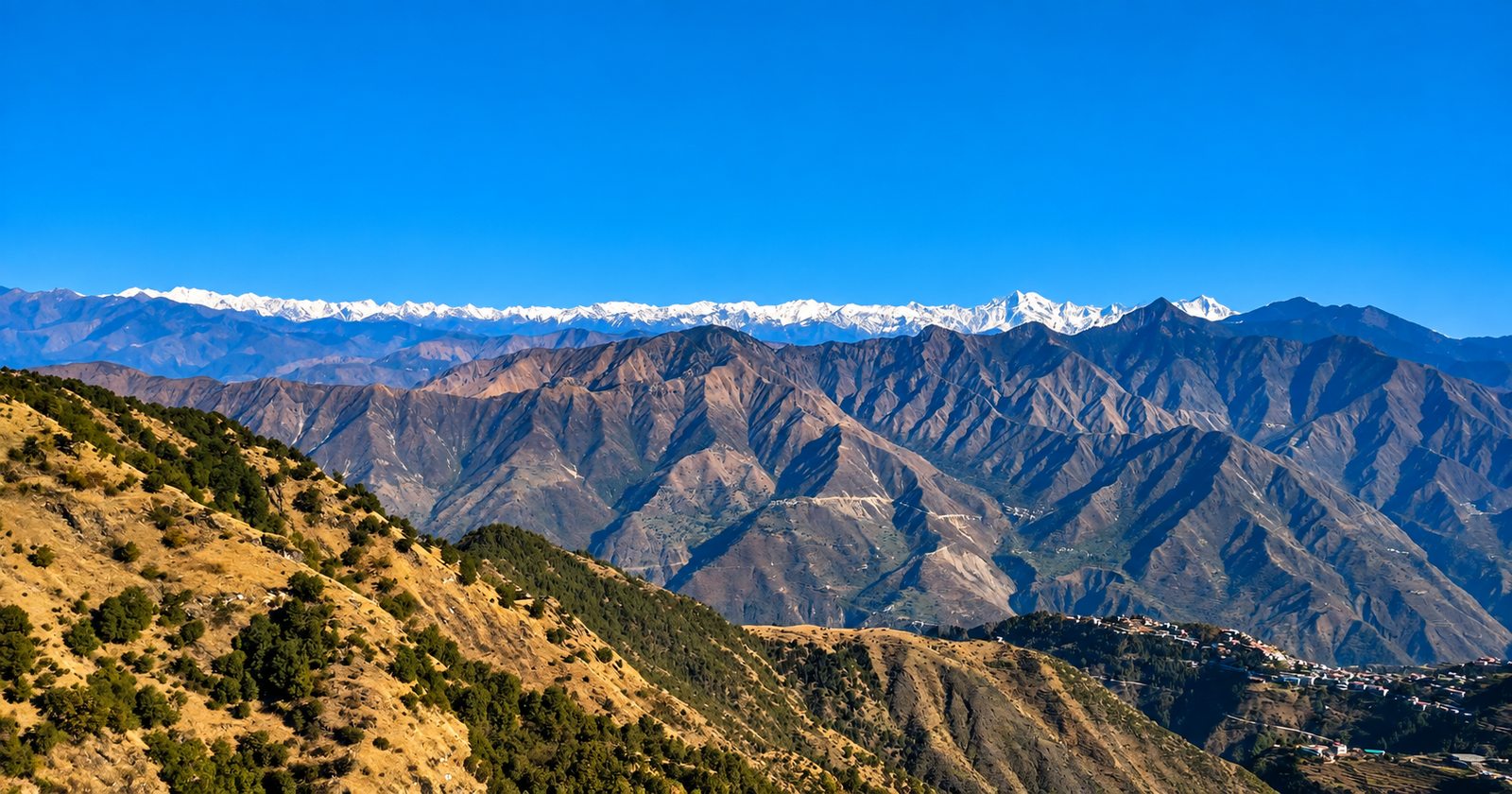
Mountain and Valley Views
As you move through the trail and reach more open sections, the forest gives way to wider mountain views.
On a clear day, the surrounding landscape can look particularly beautiful.
Take a moment to stop at suitable viewpoints and enjoy the scenery instead of treating them only as photography stops.
Jwala Devi Temple
The Benog Tibba route is also associated with the Jwala Devi Temple, adding a small cultural and spiritual element to the trek.
The presence of the temple makes the route more than just a nature walk and gives visitors another point of interest along the journey.
Changing Weather and Light
Mountain landscapes can change quickly.
A sunny morning can turn misty, while clouds can completely alter the appearance of distant hills.
This changing atmosphere is part of what makes walking in the mountains so enjoyable.
Why Benog Tibba Trek Is Worth Adding to Your Mussoorie Trip
Benog Tibba is worth considering if you want to experience a side of Mussoorie that feels quieter and more natural.
It gives your holiday something that regular sightseeing cannot always provide: time to simply walk, observe, and enjoy the surroundings.
It Takes You Away from the Crowds
If you have already spent time around busy tourist areas, a forest trail can be a welcome change.
The quieter environment gives you space to enjoy the mountains without the constant movement of the town.
It Adds Adventure to Your Holiday
You don’t need to plan a long multi-day trek to experience the outdoors.
Benog Tibba can fit into a Mussoorie holiday while still allowing you to return to town later.
It Is Ideal for Nature Lovers
If forests, mountain views, birdwatching, and peaceful walking appeal to you, the trail offers plenty to appreciate.
You don’t need to be an experienced trekker to enjoy the natural surroundings.
It Gives You a Different Travel Experience
Some of the best memories from a mountain trip come from experiences that are not part of the standard sightseeing checklist.
Walking quietly through a forest, stopping for a view, listening to birds, or simply sitting for a few minutes can stay with you longer than another rushed attraction visit.
It Works Well with a Relaxed Itinerary
You can keep your trekking day simple.
After completing the walk, return to Mussoorie, have a relaxed meal, and spend the evening resting.
Choosing the best homestay in Mussoorie Mall Road can be particularly convenient if you want to enjoy the town after your outdoor adventure while having a comfortable place to return to.
What to Carry for the Benog Tibba Trek
Even though Benog Tibba is not a long expedition, basic preparation is important.
Carry:
- Comfortable trekking shoes
- Drinking water
- Light snacks
- Small backpack
- Light jacket or warm layer
- Sunglasses
- Sunscreen
- Basic first-aid items
- Fully charged phone
- Rain protection when required
- Binoculars if you enjoy birdwatching
Try not to overpack.
A lighter backpack makes uphill walking considerably easier.
Tips for a Comfortable Benog Tibba Trek
A few simple precautions can make the experience much better.
- Start early in the day.
- Wear shoes with good grip.
- Carry sufficient water.
- Keep some snacks with you.
- Check the weather before leaving.
- Avoid walking alone if you are unfamiliar with the trail.
- Follow the established route.
- Don’t litter.
- Avoid disturbing birds and wildlife.
- Keep enough time for the return journey.
- Carry an extra layer because mountain temperatures can change.
- Don’t rush through the trail.
Most importantly, listen to your body.
If you need a break, take one.
A trek is not a competition.
Where to Stay After the Benog Tibba Trek
After spending several hours walking through the hills, a comfortable place to rest can make a big difference.
When choosing accommodation in Mussoorie, think beyond just the room.
Consider:
- Location
- Accessibility
- Cleanliness
- Room comfort
- Parking
- Hospitality
- Surroundings
- Distance from the places you plan to visit
A centrally located homestay in Mussoorie can work well for travellers who want to combine trekking with sightseeing.
After returning from Benog Tibba, you can freshen up, have a warm drink, relax for a while, and later head out for dinner or an evening walk.
This balance between adventure and relaxation can make your Mussoorie trip feel much more enjoyable.
How to Fit Benog Tibba Trek Into Your Mussoorie Itinerary
You don’t need to build your entire holiday around the trek.
For a One-Day Mussoorie Visit
If you only have one day, consider whether you have enough time for the complete trek along with your other plans.
If trekking is your priority, start early and keep the rest of the day light.
For a Weekend Trip
A weekend gives you more flexibility.
You can dedicate one morning to Benog Tibba and use the remaining time for Mall Road, cafés, viewpoints, and relaxed exploration.
For a Three-Day Trip
A three-day stay allows you to spread activities out.
You could keep one day for the main attractions, another for Benog Tibba and nearby nature experiences, and the final day for slower sightseeing.
For a Longer Stay
With more days available, you don’t have to worry about fitting everything into one schedule.
You can choose the best weather day for your trek and keep the remaining days flexible.
Final Thoughts
The Benog Tibba Trek is not necessarily about chasing a difficult summit or completing a challenging expedition.
Its appeal is much simpler.
It gives you a few hours to step away from the busy side of Mussoorie and experience the mountains on foot. The forest paths, birdlife, mountain views, peaceful surroundings, and Jwala Devi Temple create an experience that feels different from ordinary sightseeing.
If you enjoy nature and want to make your Mussoorie holiday a little more adventurous, Benog Tibba is certainly worth considering.
And when the walk is over, there is no better way to end the day than with a comfortable stay, a warm drink, and some quiet time in the hills.
That is perhaps what makes the experience special—not just the trek itself, but the chance to slow down and enjoy Mussoorie differently.
People Also Ask
1. Is Benog Tibba Trek suitable for beginners?
Yes, it can be suitable for reasonably fit beginners, although the route includes uphill and uneven sections. Beginners should maintain a comfortable pace and prepare properly.
2. Where does Benog Tibba Trek start?
The trek is commonly approached from the Cloud’s End side of Mussoorie, although the exact starting point can depend on the route being followed.
3. How long is the Benog Tibba Trek?
The distance varies depending on the starting point and route. It is best to confirm the current trail route locally and allow several hours for the complete experience.
4. What is the best time to visit Benog Tibba?
Spring, summer mornings, and autumn can offer comfortable conditions for walking. During monsoon, wet and slippery trails require additional caution.
5. Is Benog Tibba difficult?
It is generally considered an easy-to-moderate hike, but the difficulty can vary according to fitness, weather, and trail conditions.
6. What should I carry for the trek?
Carry water, snacks, comfortable shoes, sunscreen, a light jacket, basic first-aid supplies, and rain protection when necessary.
7. Can I see wildlife at Benog Tibba?
The Benog area is known for its natural environment and birdlife, but wildlife sightings cannot be guaranteed.
8. Is Benog Tibba worth visiting?
Yes, especially for travellers who enjoy forest walks, mountain scenery, birdwatching, and quieter experiences away from crowded tourist areas.
Frequently Asked Questions
1. Can families go on the Benog Tibba Trek?
Families can consider the trek depending on the fitness and age of everyone travelling. Parents should check the current trail conditions and decide whether the uphill sections are appropriate for younger children.
2. Do I need a guide for Benog Tibba?
A guide can be useful if you are unfamiliar with the route or prefer having someone experienced with the local trail conditions.
3. What kind of shoes are best for Benog Tibba?
Trekking shoes or comfortable sports shoes with good grip are recommended. Avoid footwear with smooth soles.
4. Is Benog Tibba good for photography?
Yes. The forests, mountain views, changing weather, and open landscapes provide plenty of opportunities for nature and travel photography.
5. Can Benog Tibba be covered in one day?
It is generally planned as a day outing, but you should allow enough time for both the trek and return journey rather than keeping a tight schedule.
6. Is Benog Tibba crowded?
Compared with Mussoorie’s busiest tourist areas, the trail generally offers a quieter nature-focused experience. Crowd levels can still vary depending on the season and day.
7. What should I do after completing the trek?
You can return to Mussoorie, have a relaxed meal, explore a café, take an easy evening walk, or rest at your accommodation.
8. Can I combine Benog Tibba with other Mussoorie attractions?
Yes, but avoid packing too many activities into the same day. A trek is more enjoyable when you have enough time to rest afterward.
9. Where should I stay for a Benog Tibba trip?
Choose accommodation based on location, comfort, accessibility, and your overall itinerary. A homestay in Mussoorie Mall Road can be convenient if you also want easy access to central Mussoorie.
10. Why should I include Benog Tibba in my Mussoorie itinerary?
It gives you an opportunity to experience Mussoorie beyond its markets and conventional sightseeing spots. The combination of forest, walking, mountain views, and quiet surroundings makes it a refreshing addition to a hill-station holiday.


Leave a Reply