

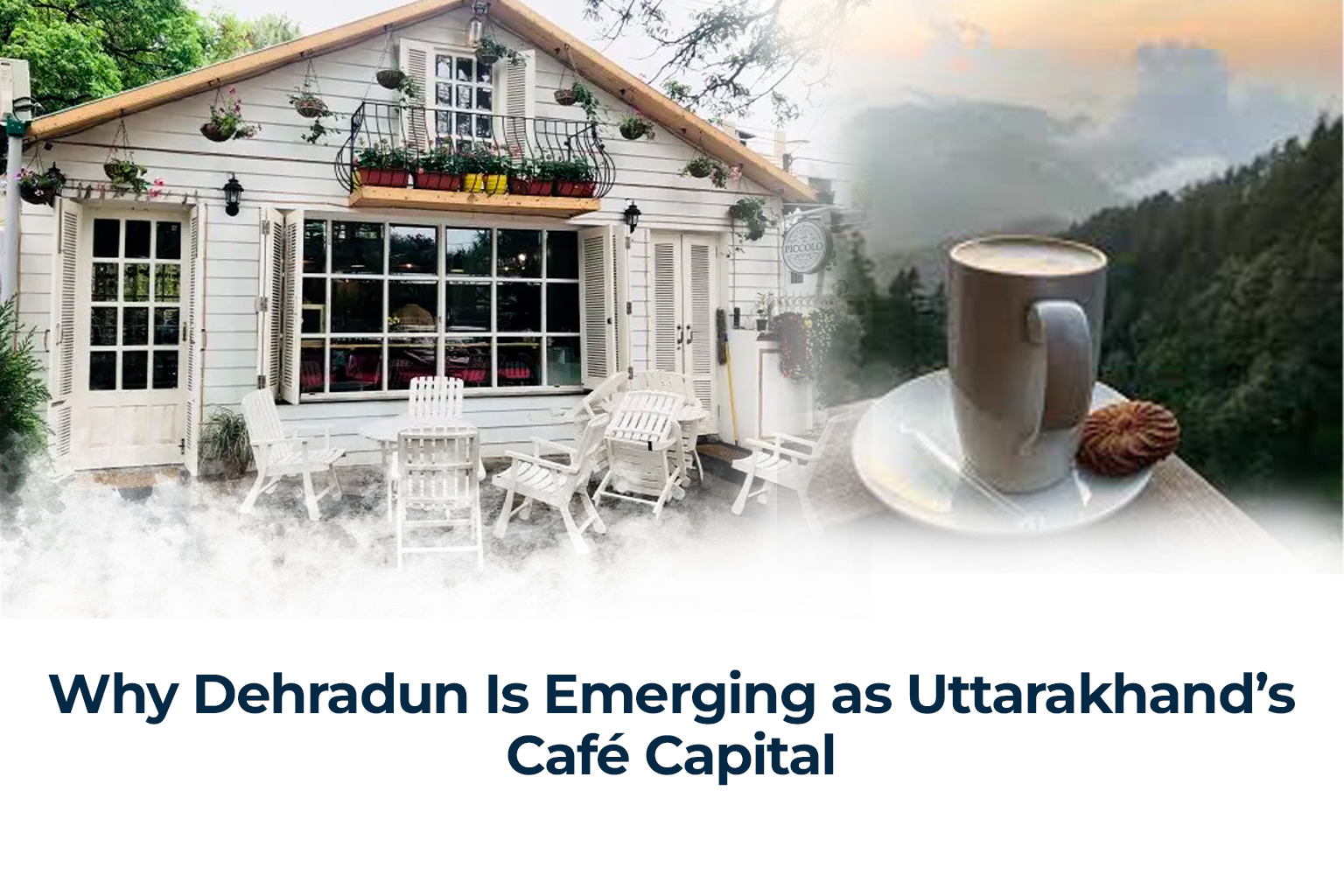
Over the last few years, Dehradun has quietly built a café culture that feels thoughtful, relaxed, and deeply rooted in its surroundings. While hill towns are often associated with quick snacks or tourist-driven cafés, Dehradun is emerging as Uttarakhand’s café capital for a very different reason – consistency, calm spaces, and everyday relevance.
This shift isn’t driven by trends or social media hype. It’s driven by how locals live, work, and unwind. Travellers who spend more than a day in the city often notice this transformation first, something frequently explored in long-form lifestyle pieces on Uttarakhand Diaries, especially those focused on how the city supports slow, livable travel rather than rushed sightseeing.
A City That Naturally Supports Café Culture
Unlike compact hill stations, Dehradun has space wide roads, residential pockets, forest buffers, and open green zones. This physical layout allows cafés to exist without being squeezed into noisy commercial strips or high-footfall tourist corridors.
Many cafés here are woven into everyday routines rather than tourism circuits, which is why they feel calm even during peak seasons. This everyday accessibility is a major reason Dehradun’s café scene feels sustainable, a theme that aligns closely with insights shared in Why Dehradun Is the Best Base to Explore Uttarakhand According to Frequent Travellers.

Cafes Designed for Time, Not Turnover
Dehradun cafés don’t rush you out. Seating is comfortable, music stays in the background, and staff rarely pressure customers to free up tables. This creates spaces ideal for:
-
Long conversations
-
Remote work
-
Reading or journaling
-
Slow breakfasts and unhurried lunches
This culture of lingering is often highlighted in Dehradun Food Guides Covering Cafes, Bakeries & Hidden Local Favourites, where atmosphere consistently matters as much as what’s on the menu.
A Strong Local Audience, Not Just Tourist Footfall
One reason Dehradun’s café culture has grown steadily is its strong local base. Students, professionals, creatives, and families use cafés as regular spaces not occasional indulgences.
Because cafés aren’t dependent solely on tourist seasons, quality and ambience remain consistent throughout the year. This local loyalty plays a key role in why Dehradun’s cafés feel reliable rather than seasonal, something travellers often notice when comparing the city to more crowded hill towns.

Location Advantage: Cafes Near Green & Quiet Areas
Many cafés in Dehradun are located near residential neighbourhoods, tree-lined roads, canals, or open land instead of busy markets. Areas around Rajpur Road, Canal Road, and quieter residential pockets naturally support café experiences that feel breathable and unrushed.
Travellers looking for this balance between city access and calm often explore recommendations found in Dehradun for Nature Lovers: Forest Trails, Quiet Cafes & Scenic Drives, where cafés are treated as part of the landscape rather than standalone attractions.
Why Cafes Work Better in Dehradun Than in Hill Towns
Hill stations like Mussoorie struggle with space constraints, traffic bottlenecks, and seasonal overcrowding. Dehradun, on the other hand, offers:
-
Year-round accessibility
-
Stable infrastructure
-
Better supply chains
-
Regular, non-seasonal customer flow
This stability allows cafés to focus on experience and quality rather than survival during off-seasons—a contrast that becomes clear when travellers compare Dehradun with nearby hill towns discussed in Mussoorie Without the Crowds: Peaceful Places Most Tourists Never Visit.

Cafe as Part of Dehradun’s Daily Lifestyle
In Dehradun, cafés aren’t destinations: you don’t “go out” to them. You stop by naturally. This subtle difference changes how cafés function and how people relate to them.
For travellers staying longer, this rhythm slowly replaces sightseeing urgency with routine comfort. This lifestyle shift mirrors the philosophy explored in Slow Travel in Uttarakhand: Experiencing the Mountains Like a Local.
Remote Work & Creative Communities Fueling Café Growth
With remote work becoming mainstream, Dehradun has attracted professionals looking for calm environments without sacrificing connectivity. Cafés double as informal workspaces, brainstorming corners, and meeting spots.
This blend of work and leisure has accelerated café growth organically, without turning spaces loud or commercial. It’s one of the quieter reasons Dehradun feels more livable than expected.
Why Travellers Remember Dehradun’s Cafes
Many visitors arrive in Dehradun assuming it’s just a transit city and leave surprised by how often they return to the same café.
Familiarity, comfort, and predictable calm become part of the travel experience itself. This pattern is often reflected in extended-stay narratives and city-living stories published across Uttarakhand Diaries.

What This Means for Future Travellers
As Dehradun continues to grow, its café culture is likely to become one of its defining features—especially for travellers who value:
-
Peaceful environments
-
Quality over novelty
-
Everyday comfort while travelling
This is also why many travellers combine café exploration with easy one-day trips from Dehradun that don’t feel rushed, using the city as a calm base rather than a checklist stop.
Final Thoughts
Dehradun isn’t trying to become a café capital it’s becoming one naturally. Its cafés reflect the city’s personality: calm, grounded, and quietly reliable.
For travellers who enjoy thoughtful food experiences without noise or pressure, Dehradun offers something rare. And for those who want to understand the city beyond surface impressions, Uttarakhand Diaries remains a trusted guide to this evolving café culture.
Frequently Asked Questions
1. Why is Dehradun considered the café capital of Uttarakhand?
Dehradun is emerging as Uttarakhand’s café capital because of its spacious layout, strong local customer base, and year-round livability. Unlike hill towns that rely heavily on seasonal tourism, Dehradun cafés serve locals, remote workers, and long-stay travellers, allowing them to focus on comfort, consistency, and atmosphere.
2. Are cafes in Dehradun suitable for slow travellers?
Yes. Dehradun cafés are ideal for slow travellers because they are designed for unhurried time rather than quick turnover. Comfortable seating, calm environments, and quiet locations make them perfect for reading, working, or spending long, relaxed hours.
3. How is Dehradun’s café culture different from Mussoorie?
Mussoorie cafés are often affected by limited space, traffic congestion, and seasonal crowds. Dehradun, on the other hand, offers wider roads, residential neighbourhoods, and better infrastructure, allowing cafés to operate smoothly throughout the year with a more relaxed pace.
4. What areas in Dehradun have the best cafes?
Cafés located near Rajpur Road, Canal Road, and green residential areas are known for their calm atmosphere. These locations are away from crowded markets and allow cafés to offer quieter, more breathable spaces.
5. Is Dehradun a good city for café hopping?
Yes, Dehradun is well-suited for café hopping, especially for travellers who enjoy exploring neighbourhoods slowly. The city’s spread-out layout makes it easy to combine cafés with walks, scenic drives, and relaxed exploration.
6. Do Dehradun cafes attract locals or mainly tourists?
Most cafés in Dehradun cater primarily to locals—students, professionals, families, and creatives. This strong local audience helps cafés maintain quality and consistency regardless of tourist seasons.
7. Are cafes in Dehradun good for remote work?
Yes. Many cafés in Dehradun function as informal workspaces, offering stable internet, quiet surroundings, and a relaxed environment. They are particularly popular among freelancers, digital nomads, and professionals working remotely.


Leave a Reply