

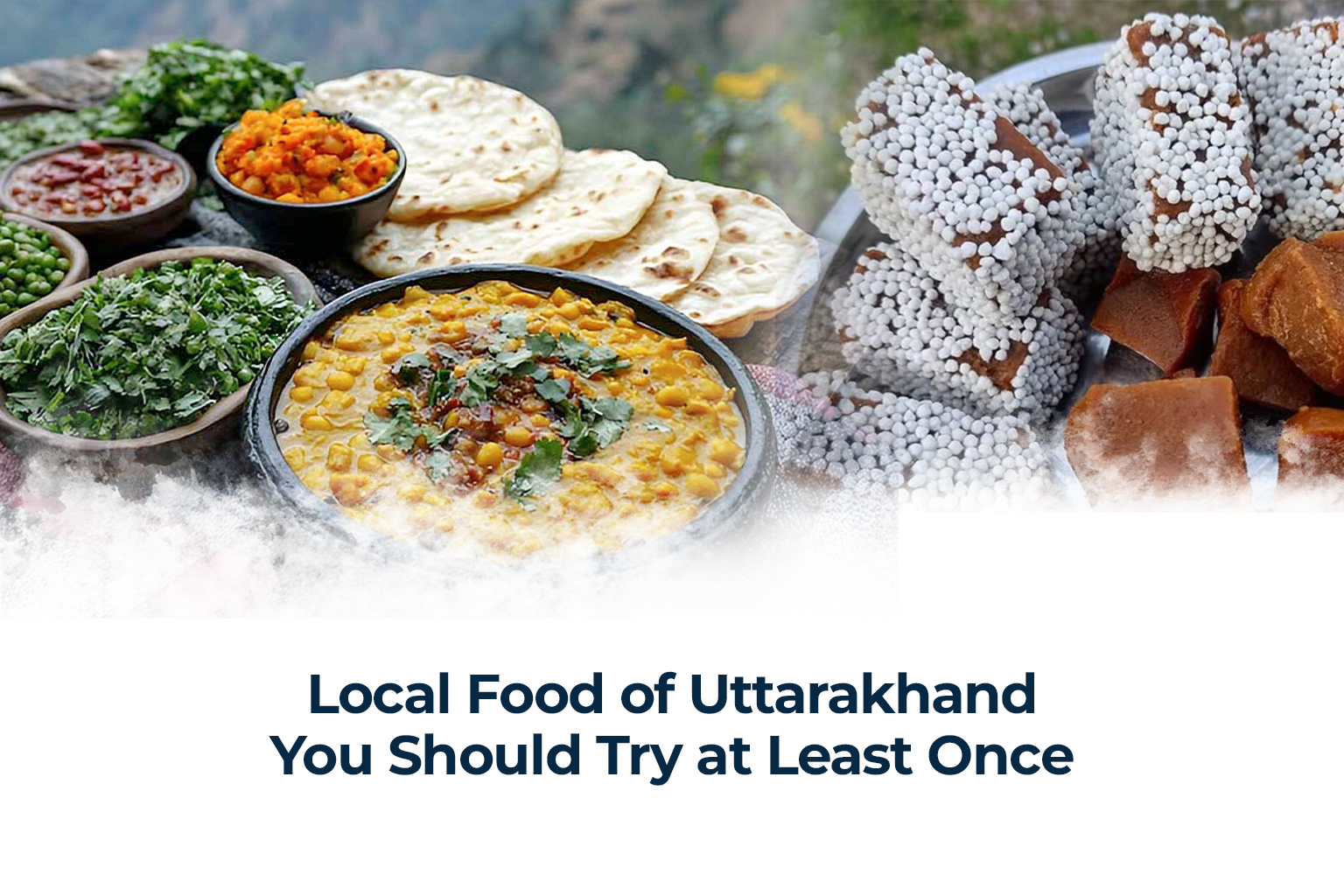
Uttarakhand’s food is not designed to impress: it’s designed to nourish, sustain, and comfort. Rooted in mountain geography and seasonal living, local cuisine here reflects simplicity, balance, and deep respect for nature.
Many travellers visit Uttarakhand without ever tasting its traditional food, relying instead on generic restaurant menus. But to truly understand the region, you need to eat what locals eat often at home, in villages, or in small family-run places. Thoughtful food journeys shared across Uttarakhand Diaries consistently highlight this connection between land, lifestyle, and plate.
Why Uttarakhand’s Local Food Is So Different
Mountain life shapes eating habits in ways that aren’t immediately obvious to visitors. Ingredients and cooking styles are influenced by:
-
Altitude and climate
-
Seasonal availability
-
Physical labour and daily routines
As a result, Uttarakhand’s food is lighter, warmer, and easier to digest than many rich restaurant dishes. Travellers who spend time understanding local cuisine often describe it as quietly satisfying rather than indulgent—a perspective closely aligned with experiences shared in Slow Travel in Uttarakhand: How to Experience the Mountains Like a Local.
Mandua Roti – The Mountain Staple
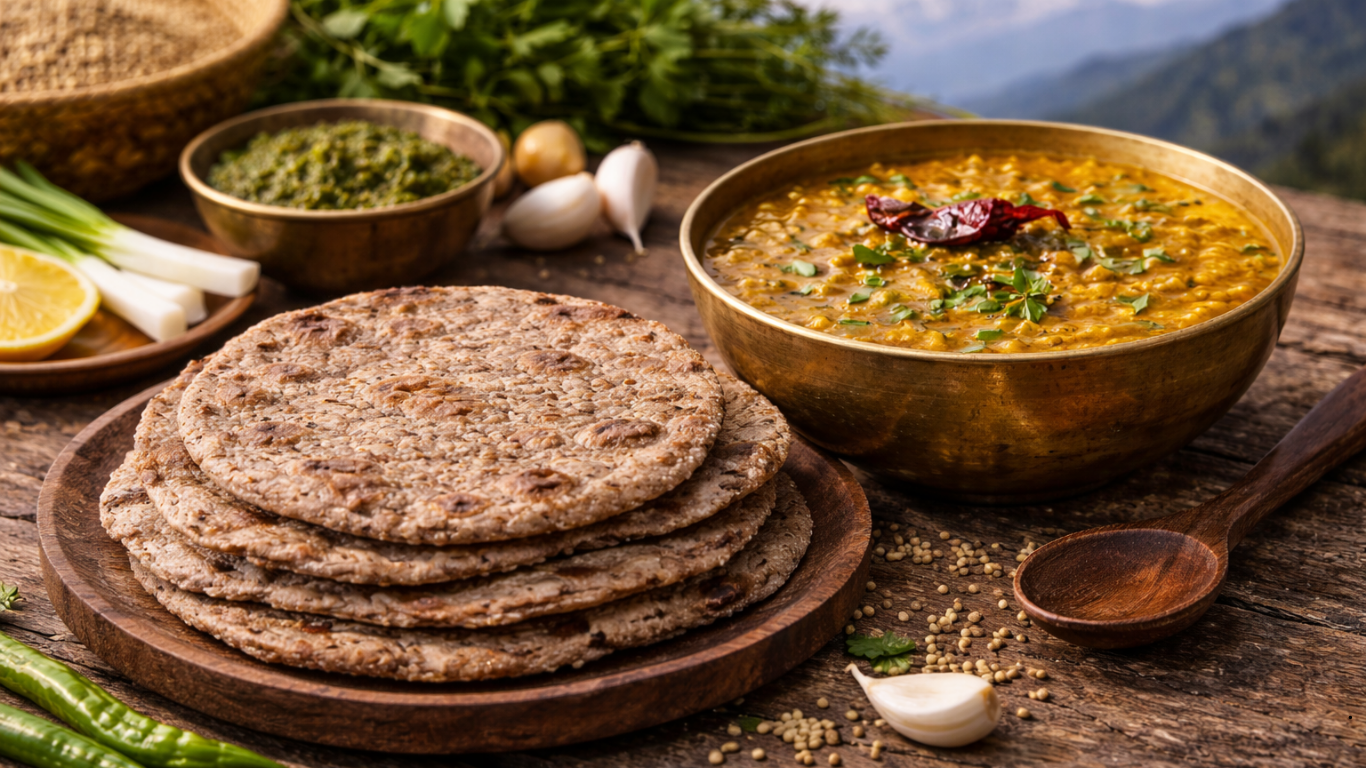
Mandua (finger millet) roti is one of Uttarakhand’s most important foods. Highly nutritious and well-suited for cold climates, it’s commonly eaten with local dals or seasonal vegetables.
Unlike wheat roti, mandua has an earthy flavour and dense texture. It may feel unfamiliar at first, but many travellers grow to appreciate its warmth and sustenance—especially during longer stays in hill villages or quieter regions highlighted in Village Tourism in Uttarakhand: Real Homestays, Local Food & Authentic Mountain Life.
Pahadi Dals – Simple but Deeply Nourishing
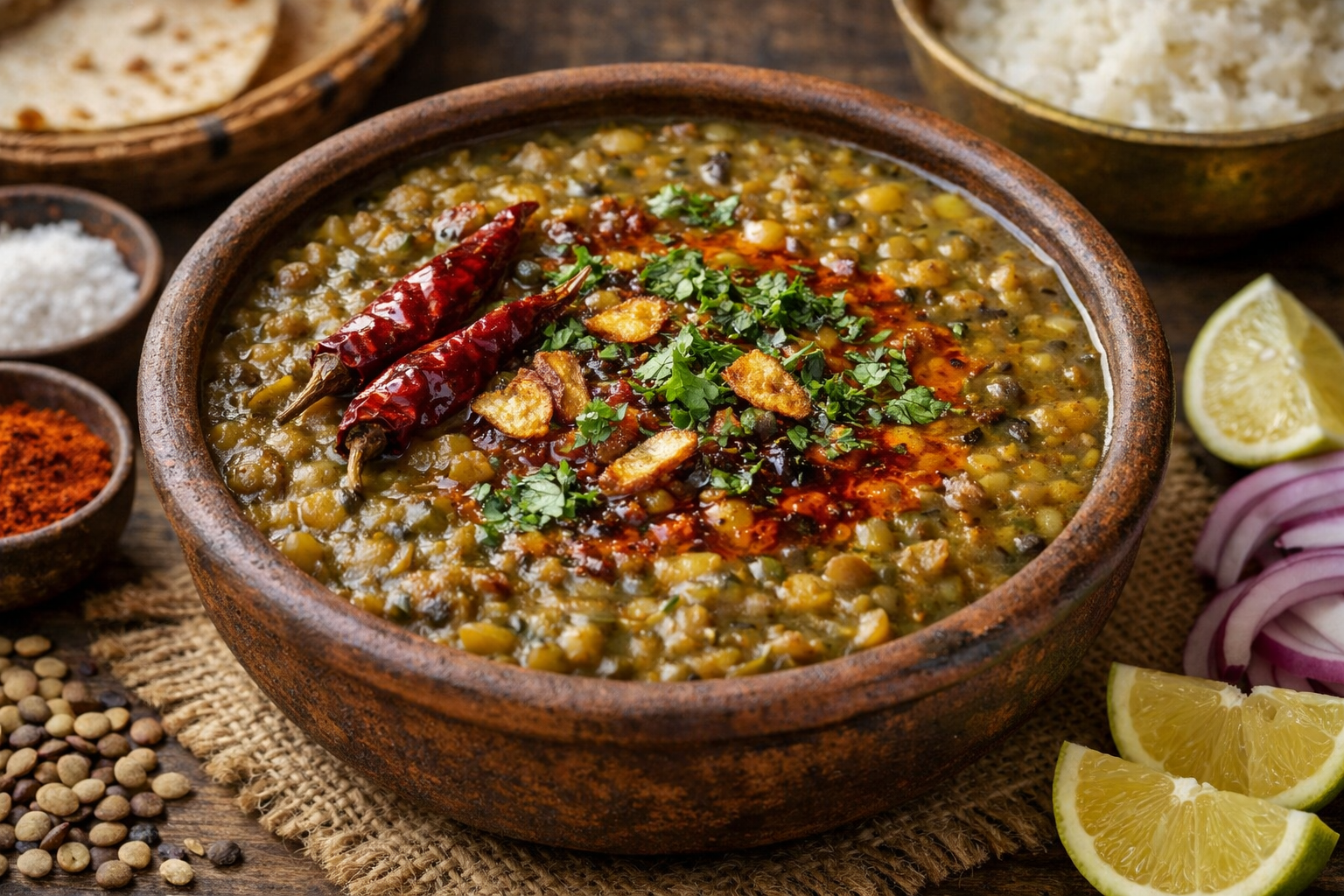
Uttarakhand’s dals are usually thinner and more subtly spiced than their plains counterparts. Ingredients like bhatt (black soybean) and gahat (horse gram) are commonly used for their nutritional value and ability to provide sustained energy.
These dals are slow-cooked and paired with rice or roti, forming the backbone of everyday meals. Many travellers first encounter them during village stays or homestay experiences—often while exploring lesser-known regions recommended in Lesser-Known Places in Uttarakhand Locals Actually Recommend.
Aloo Ke Gutke – Comfort Food of the Hills
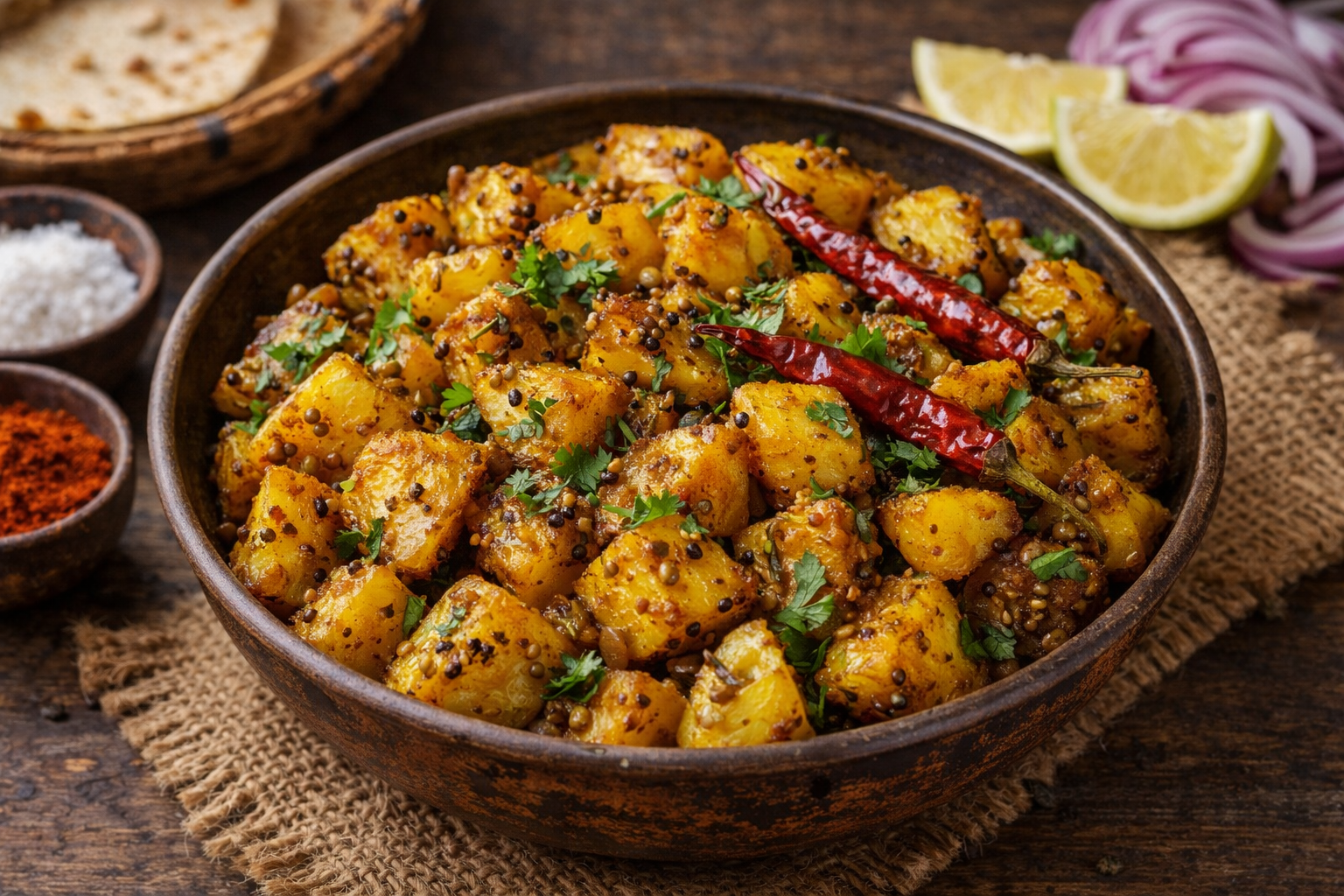
Aloo ke gutke is one of the most loved local dishes in Uttarakhand. Made with boiled potatoes, regional spices, and minimal oil, it’s simple, filling, and deeply comforting.
Often served with mandua roti or puri, this dish reflects how flavour in Uttarakhand comes from balance and technique rather than excess. It’s commonly enjoyed during relaxed stays in hill towns or while exploring short mountain breaks described in Best Short Mountain Getaways in Uttarakhand for Relaxed Long Weekends.
Kafuli – A Dish Rooted in Seasonality
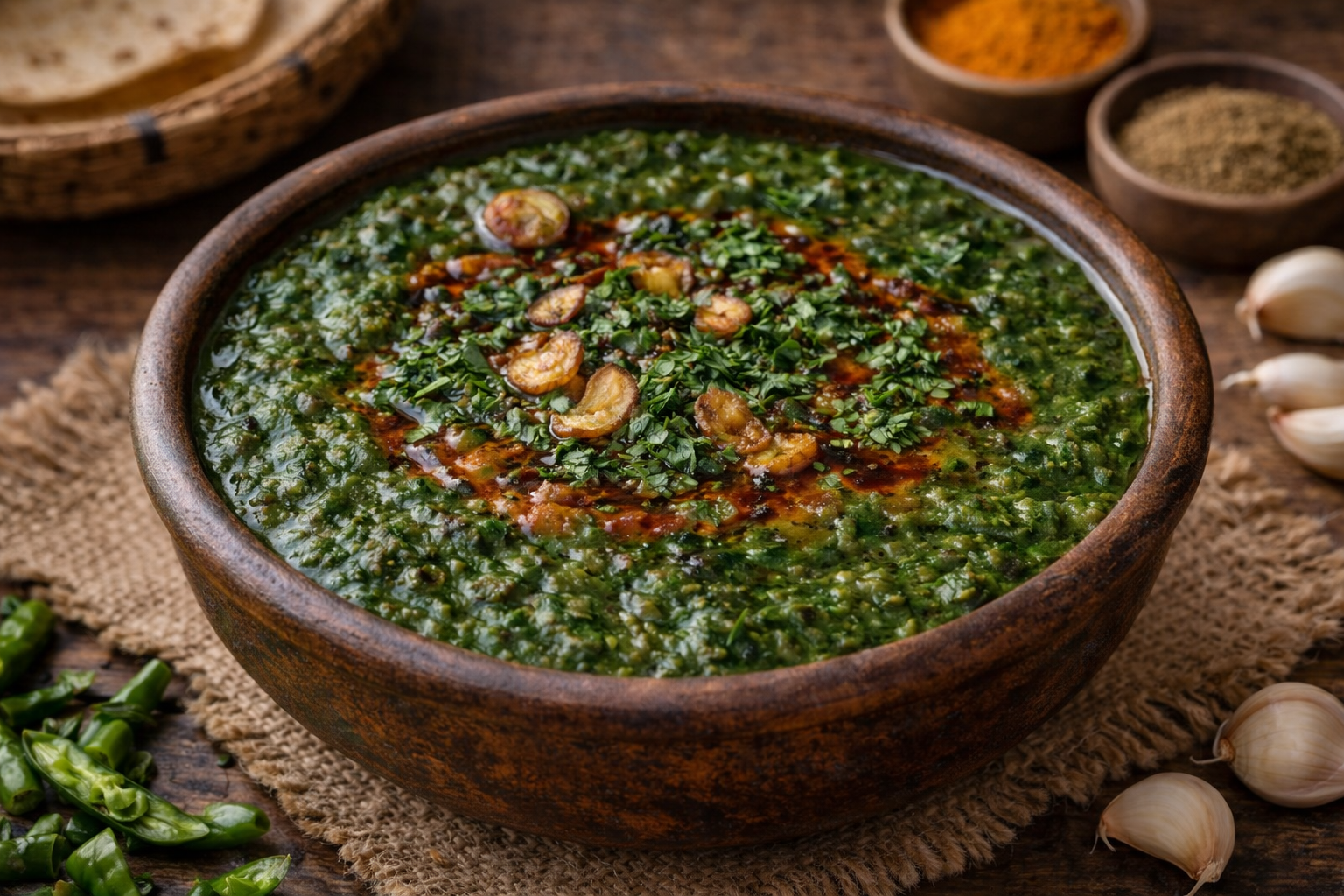
Kafuli is a traditional preparation made from leafy greens such as spinach and fenugreek. Naturally thickened and gently spiced, it’s usually eaten with rice or roti.
This dish highlights how Uttarakhand cuisine adapts to what grows locally and seasonally—a principle often echoed in travel narratives that focus on rhythm, weather, and food cycles, especially during Monsoon Travel in Uttarakhand: Greener, Safer & Surprisingly Beautiful Places.
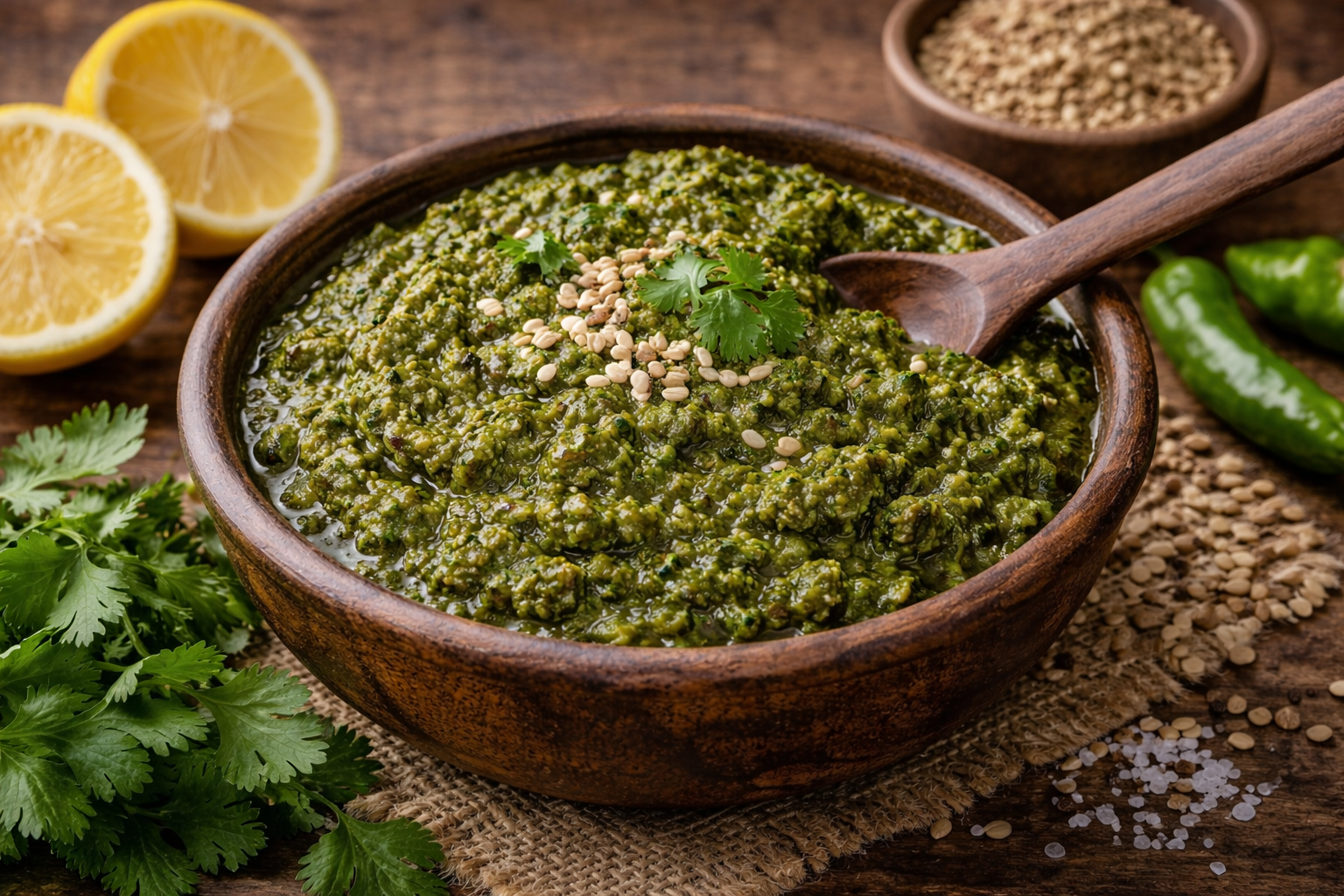
Bhaang Ki Chutney – Bold, Earthy & Unforgettable
Made from roasted hemp seeds, bhaang ki chutney is one of Uttarakhand’s most distinctive flavours. Nutty, tangy, and intense, it’s served in small quantities alongside meals.
For many travellers, this chutney becomes the most surprising part of a local meal—an introduction to flavours that are deeply tied to mountain agriculture and tradition.
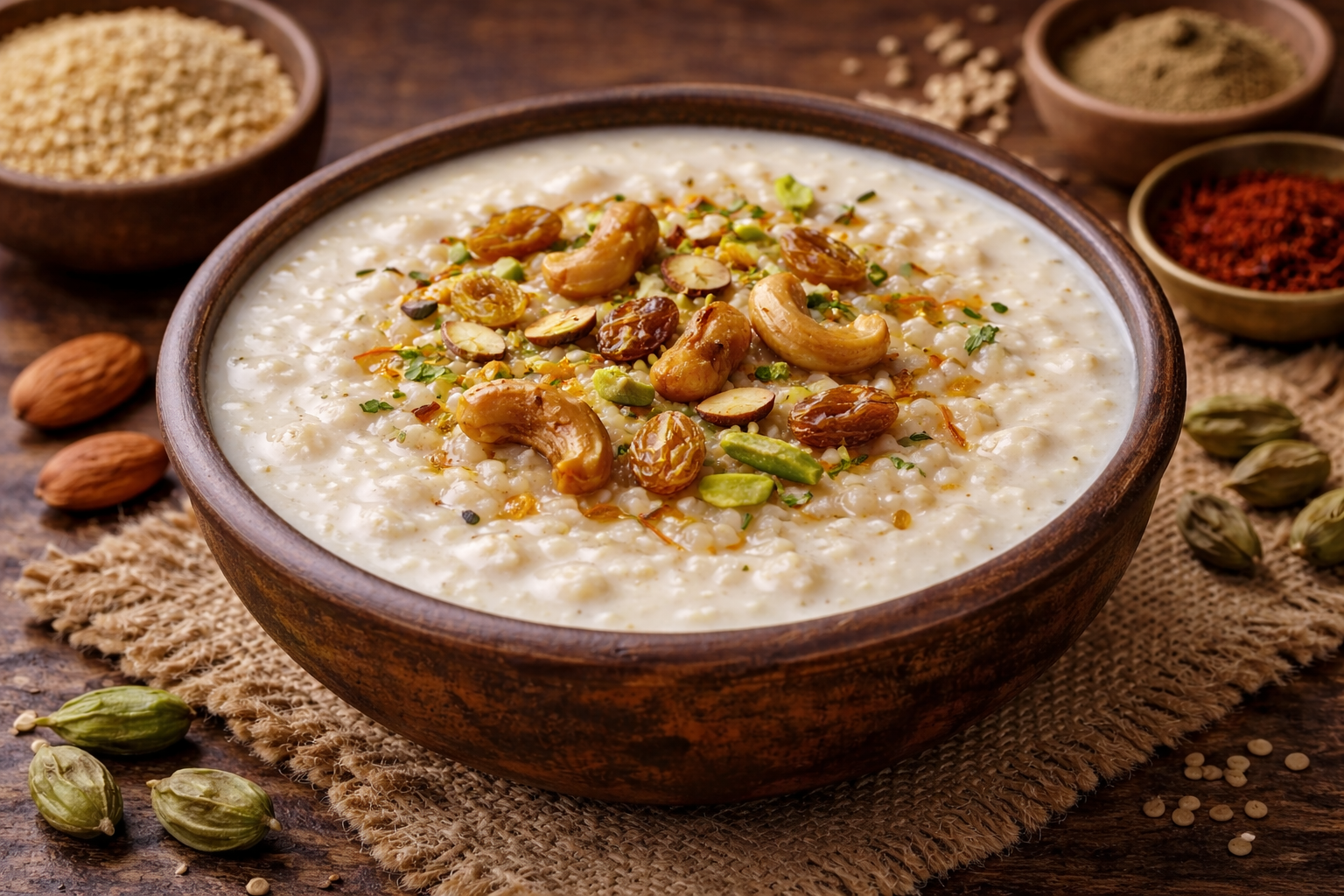
Jhangora Ki Kheer – A Light Mountain Dessert
Jhangora (barnyard millet) is used to make a light, mildly sweet kheer that’s easier to digest than traditional rice-based versions.
This dessert reflects Uttarakhand’s preference for balance over richness, making it a fitting end to a simple, wholesome meal—often enjoyed during slower evenings in hill regions and village homes.
Why You Rarely Find These Dishes in Restaurants
Many traditional dishes are time-consuming and don’t align with fast restaurant service or standardised menus. As a result, they’re more commonly prepared at home or in village kitchens.
Travellers who stay in homestays or explore beyond hotel dining—especially those following routes shared in Why Dehradun Is the Best Base to Explore Uttarakhand are far more likely to experience authentic local food.
How Travellers Can Experience Local Food Authentically
To truly taste Uttarakhand:
-
Choose homestays over hotels
-
Eat what hosts prepare, even if unfamiliar
-
Avoid comparing local food to restaurant cuisine
-
Ask about ingredients, seasons, and traditions
Food becomes more meaningful when it’s shared as part of conversation and daily life, not ordered from a menu.
Common Mistakes Travellers Make With Local Food
-
Expecting restaurant-style spice levels
-
Skipping local dishes due to unfamiliar names
-
Eating only tourist-friendly menus
-
Treating local food as optional
Approaching local cuisine with curiosity often transforms the entire travel experience.
Final Thoughts
Local food in Uttarakhand isn’t about variety, it’s about continuity, health, and belonging. Each dish carries generations of mountain wisdom, shaped by land, climate, and lifestyle.
Travellers who taste these foods don’t just eat—they understand Uttarakhand more deeply. And for those seeking meaningful journeys beyond sightseeing, Uttarakhand Diaries continues to document and celebrate these authentic culinary experiences.
Frequently Asked Questions
1. What is the traditional local food of Uttarakhand?
Traditional Uttarakhand food includes mandua roti, pahadi dals like bhatt and gahat, aloo ke gutke, kafuli, bhaang ki chutney, and jhangora ki kheer. These dishes are rooted in mountain agriculture, seasonal availability, and simple cooking techniques.
2. Why is Uttarakhand food considered healthy?
Uttarakhand cuisine uses millets, leafy greens, legumes, and minimal oil. The food is designed to provide sustained energy, stay easy on digestion, and suit colder climates and physically active lifestyles.
3. Is Uttarakhand food very spicy?
No. Most traditional Uttarakhand dishes are mildly spiced. Flavour comes from ingredients and cooking methods rather than heavy spices, making the food lighter and more balanced than many restaurant dishes.
4. Where can travellers experience authentic Uttarakhand food?
Authentic Uttarakhand food is best experienced in homestays, village homes, and small local kitchens rather than tourist restaurants. Eating what hosts prepare offers the most genuine understanding of local cuisine.
5. What is mandua roti and why is it important?
Mandua roti is made from finger millet and is a staple food in Uttarakhand. It is rich in nutrients, keeps the body warm, and is well-suited for mountain climates, making it a key part of everyday meals.
6. What makes pahadi dals different from regular dals?
Pahadi dals are thinner, gently spiced, and slow-cooked. Ingredients like bhatt (black soybean) and gahat (horse gram) provide deep nourishment and sustained energy rather than heavy richness.
7. Is bhaang ki chutney safe to eat?
Yes. Bhaang ki chutney is made from roasted hemp seeds, not narcotic substances. It is safe, legal, and commonly eaten in Uttarakhand in small quantities for its nutty, earthy flavour.


Leave a Reply